


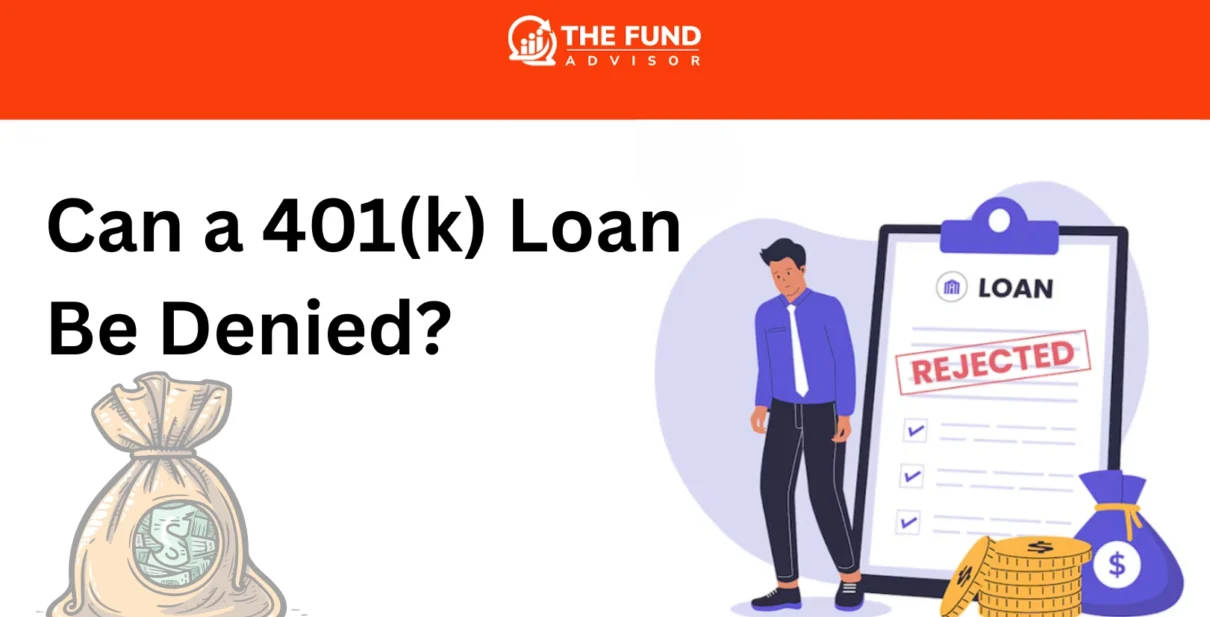
The 401(k) is one of the most used retirement savings plans among employees. It is because this account offers various features, and a 401(k) loan is one of its benefits. The 401(k) loan is a significant advantage of this account because it helps in managing sudden financial needs. However, many people ask, can a 401(k) loan be denied? It is a very common and important question that a 401(k) holder needs to understand.
For various reasons, like a child’s school fees or other financial needs for money, this option is one of the best choices that can be used without affecting retirement savings if properly repaid. So, knowing when and why the 401(k) application can be denied is important, and we will also discuss how to deal with this situation.
Reasons Why a 401(k) Loan Would Be Denied
A 401(k) loan is a financial tool offered by the employer or the 401(k) administrator to the employee. This facility allows the employee to get funds from the 401(k) without withdrawing. Based on the saved funds in the account, the loan amount is determined for a specific repayment schedule. The borrowed amount will again be deposited in the account through the monthly installments paid by the employee or the borrower.
There are multiple reasons that the 401(k) loan application can be denied. So, understanding the reasons will lead you towards the best results of your decisions. The major reasons are listed below.
Not Fully Vested
In retirement saving accounts like 401(k), vesting is an important topic to understand. So, the 401(k) account is fully vested when the employee has completed a defined period of employment in the same company. Also, until the account is vested, the employee will not get full control over the money. However, their contribution are always their own. This means if your 401(k) is not fully vested, then the 401(k) application might get cancelled.
So, vesting directly affects the 401(k) loan application because the loan amount depends on the vested savings. So, if you have less vested savings and ask for a higher amount, then the application can be denied.
For example, if you are working in the same company and have a 401(k) balance of $30,000, and only $10,000 is your vested money, then the loan amount for which you are eligible will be calculated based on the vested savings only.
Employer Does Not Allow 401(k) Loan
Yes, it is often seen that the employer or the plan administrator cancels the 401(k) loan. There are several reasons why this can happen. Sometimes the plan doesn’t allow for loan processing, which is clearly mentioned in the 401(k) account documents. If this is the case, then the employee cannot take a 401(k) loan. So, for those who are still asking, can a 401(k) loan be denied? The answer is yes.
There are other reasons, like the account has not met the eligibility requirements for getting a loan, as in the case of early career starting. Here, many people ask, Will my employer know if I take a 401(k) loan?
Previous Unpaid Loan
If the employee already has an outstanding 401(k) loan, then the new application may get canceled. This is because most 401(k) plan administrators allow only one 401(k) loan at a time. The account holder can repay the current outstanding loan in order to apply for another loan. This is one of the most common reason that prevents 401(k) loan applications from getting approved.
So, the concern Is it hard to get approved for a 401k loan, is very genuine and important to understand. It is not hard to get a 401(k) loan. If you qualify for all the conditions and the account complies with the guidelines set by the IRS, then getting a 401(k) is very easy.
401(k) Plan Limits
The 401(k) plan comes with various limits and rules that are directly governed by the plan administrator and the IRS. If we talk about the 401(k) loan limits, then this account allows 50% of the vested amount or upto $50,000 as a loan limit that an employee can borrow against this account.
Can a 401(k) loan be denied? It is a very general concern that arises. But with a proper understanding of 401(k) rules, ensuring a safe and informed money distribution is not a big task.
IRS Rules for 401(k) Loans
As mentioned above, the 401(k) account rules are based on and determined by the IRS (Internal Revenue Service). So, this provides various limits and withdrawal rules that affect the loan application approval. Some major rules are listed below:
- Maximum Limit: If the employee’s loan application exceeds the 401(k) loan limits, which is 50% of the vested savings or upto $50,000, then the loan application will be rejected. The IRS does not allow the account holder to take a higher loan from this.
- Repayment Schedule: Mostly the 401(k) account comes with a repayment schedule of a timeframe of upto 5 years. So, the loan must be repaid within this period. If any false or default in repayment is made, then this may lead to taxable distributions and may impose penalties.
- Primary House Purchase: In the case of purchasing a primary house, the IRS provides more flexibility, and the repayment schedule may extend to over 5 years.
- Interest Rates: The interest rates are determined by the IRS only and may vary based on the plan administrator. One of the major advantages and features of a 401(k) account is the loan you can take on it and repay. The interest you pay will go to your account, which means your savings will be empowered using the interest.
There are various rules that the IRS imposes on the 401(k) account. Before making any decision, it is important to have complete information.
How Does Divorce Affect the 401(k) Loan Approval?
In this concern, can a 401(k) loan be denied? The effect of divorce on 401(k) loans also stands as a point of interest. However, a divorce does not directly affect or cause the denial of a 401(k) loan application. But there are some cases and chances where the divorce may be a reason for denial. So, during a divorce, retirement accounts like 401(k) and IRA are considered marital or joint assets.
This simply means that the contributions and investment earnings of this account will be divided between both the spouse and the 401(k) loan, also as part of this process. In the case of divorce, the other spouse will be entitled to some money from this account, which reduces the vested savings. This will directly reduce the loan limits, and if the loan application is more than the limit, then this will lead to denial.
However, the 401(k) loan is paid by the borrower only. Mostly in a divorce, the outstanding loan amount is subtracted from the total vested money, and the remaining money or contributions that are made during the marriage fall into the divorce division.
Improve Chances of Getting 401(k) Loan
Can a 401(k) loan be denied is the main topic, but it does not imply that getting a 401(k) loan is impossible. There are various measure that increases the chance of getting a 401(k) loan approval. The factors are:
- Lower Loan Amount: In order to get a 401(k) loan approved, try to apply for a lower borrowing amount. It is often seen that lower borrowing will get approved easily without being denied. So, first analyse your need and then apply for it.
- Summary Plan Description (SPD): Always review your 401(k) plan description summary, which tells you about the eligibility and withdrawal rules. The complete information about the loan is mentioned in this document. Understanding this information and then applying it will increase the loan approval chances.
- Avoiding Job Changes: The 401(k) account is associated with the employer. This means when you leave the employer, the 401(k) will stop, and you have various ways to get the funds. The new 401(k) is open with the new employer. So, with the same employee, you will get more trust and higher vested income, so that the loan limits will be higher. And after changing, you have to wait till vesting of the new 401(k) account.
- Ensure No 401(k) Loan: Before applying for a new 401(k) loan, ensure that you dont have any previous unpaid loans. The 401(k) account allows only one loan at a time.
- Speak with the Department: Talk to your HR or administrative department about getting a 401(k) loan. They will help you get a loan without any denial.
It is very important to understand the process and eligibility of a 401(k) account. Explore how to repay a 401(k) loan after leaving a job.
What to Do If Your 401(k) Loan Gets Denied?
There is another question that people ask: Can my employer deny a 401(k) loan? So, not always does the employer deny the 401(k) application. However, it is true that the loan process and loan offer depend highly on the employer’s plan rules.
The main concern, Can a 401(k) loan be denied is solved now. But now that we know that the 401(k) loan can get denied. So, understanding what to do after the denial. First, you need to identify the reason why your loan was denied by the plan administrator. If the reason is like not vested amount, IRS rules, and others, then you need to wait till getting eligibility.
You can also inquire and set up an internal review so that the team can review. If you are in an urgent financial situation, then you can go for a hardship withdrawal, which will imply the 10% early withdrawal penalty if withdrawn before 59½ years and taxation. But it can help you to manage the current situation.
Additionally, you can go for some personal loan options. This will be an optimal way because, based on the good credit history, getting a personal loan can be simpler than a 401(k) loan. But this comes with higher interest rates.
Conclusion
Can a 401(k) loan be denied is one of the major concerns that arises in the employee’s mind. The answer is yes, but based on various reasons. The 401(k) loan is meant to provide funds in urgent need, so this requires various eligibility criteria to be fulfilled before processing the loan. One of the major reasons is that the 401(k) account is not fully vested. The 401(k) loan is determined based on the total vested savings.
However, the loan is a simple process and governed by some regulatory guidelines provided by the IRS. For a normal employee who stays informed about these rules, getting a 401(k) loan won’t be a big task.
Thank you for reading this article. Share this and follow for more similar articles.
Frequently Asked Questions
Do you have to qualify for a 401k loan?
Yes, there are some criteria that need to be met before applying for the 401(k) loan, like having vested savings in the account. Not having a previous outstanding loan, and your plan administrator should allow you to take a loan. However, sometimes the rule may differ based on the administrator.
Do 401 (k) loans get rejected?
Yes, the 401(k) loan can be denied due to some reasons, like an unvested 401(k) account, an Employer that does not allow a loan on the 401(k) account, an unpaid loan, or a higher borrowing application than the eligible limit.
How will I know if my 401(k) loan is approved?
If your 401(k) loan application gets approved, then you will receive a notification email at your registered email address. Almost the complete disbursement process is online, so the loan will be transferred to your bank account.